We use cookies on our website.
Some of them are necessary for the functioning of the site, but you can decide about others.
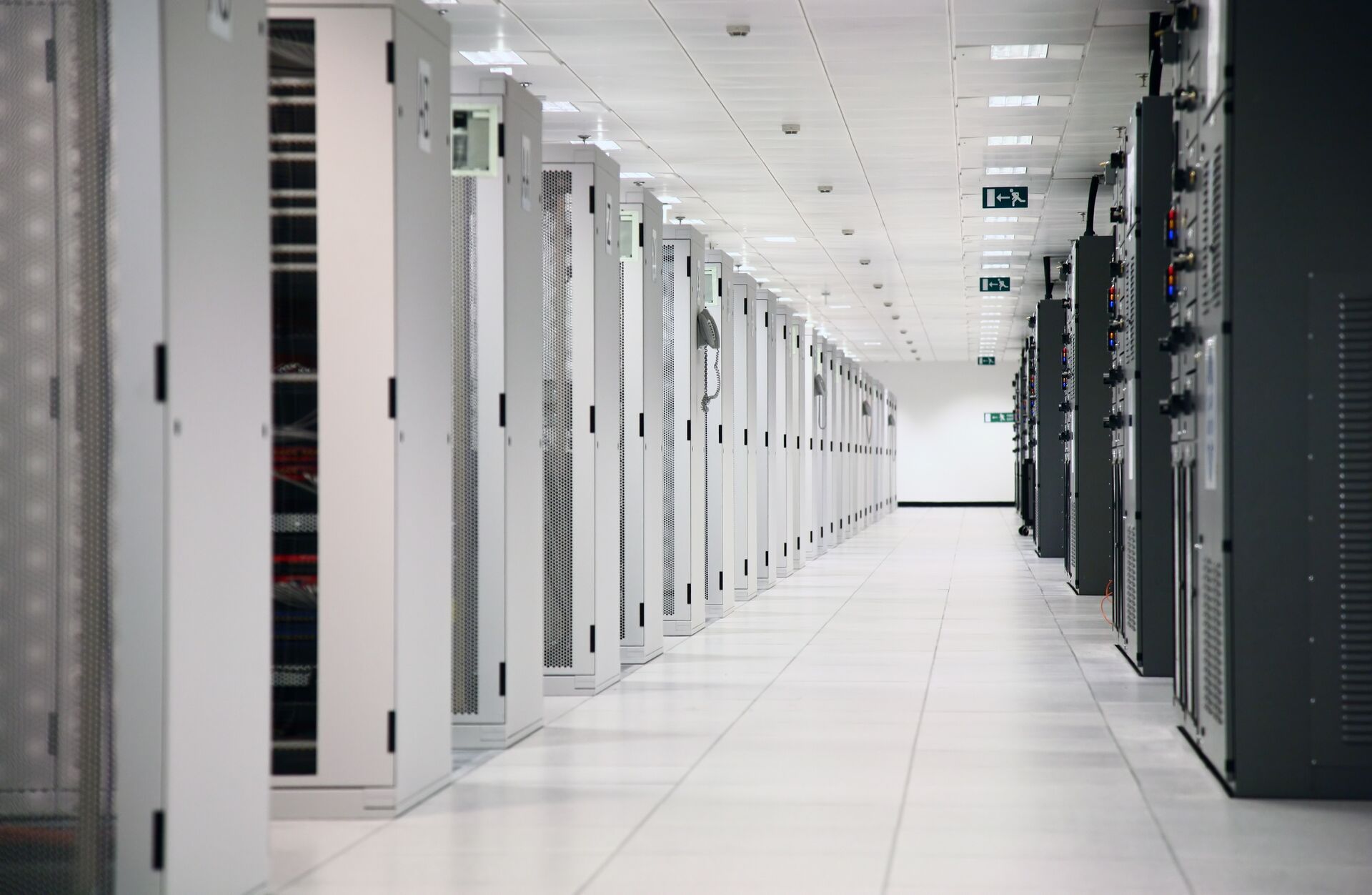
If you’ve noticed your electric bill creeping up, you might blame your teenager’s marathon gaming sessions or that fancy new air fryer. But the real culprit could be something far less domestic: data centers. These massive server farms are popping up everywhere to feed our insatiable appetite for AI, streaming and cloud storage. And while they’re great for keeping your favorite shows streaming smoothly, they’re also hungry—really hungry—for electricity.
Data centers already consume 4% of all U.S. electricity. For a homegrown comparison: California, the nation’s second-largest electricity consumer, used approximately 246 TWh in 2024. So data centers alone gulp down nearly three-quarters of what all California households, businesses and industries consume combined. By 2030, that figure could more than double to 426 terawatt-hours, thanks to AI’s explosive growth. Utilities are scrambling to keep up, and their solution often involves building new power plants which means higher costs for everyone.
In fact, utilities expect peak grid demand to hit 166 gigawatts by 2030, a sixfold increase from just a few years ago. Translation: the grid is bulking up and you’re footing part of the bill.
In some regions, data center growth has already increased capacity costs. For example, in the PJM market (stretching from Illinois to North Carolina), data centers contributed to a $9.3 billion price increase in 2025-26, nudging residential bills up by $16–$18 per month in some states. And projections suggest national bills could rise 8% by 2030, with some hot spots seeing hikes of 25%.
So yes, your electric stovetop isn’t the villain, but it might become collateral damage in the AI arms race. We’re not going to stop AI or the data center boom. These facilities power everything from your favorite streaming service to that chatbot you asked for dinner ideas last night. But while we can’t slam the brakes on progress, we can make smarter choices at home.
Think of your home as a mini power plant with a brain. By using energy intelligently (i.e. controlling when your electric stovetop, hot water heater, or EV charger runs) you can help ease strain on the grid during peak times. Smart home tech makes this easier than ever, and every little bit helps keep your utility bill in check.
Smart Tech to the Rescue
Managing your home’s energy use doesn’t have to feel like juggling flaming torches. Tools like the Lumin Smart Panel make it simple, especially if you have solar panels with battery storage. Lumin acts like a traffic cop for your electricity, deciding which appliances get power and when. During peak demand, it can automatically pause your EV charger or delay activating your water heater, while prioritizing essentials like your stovetop or heat pump.
If you’ve invested in solar and storage, Lumin helps you maximize self-generated energy and storage, reducing reliance on the grid when prices spike. It’s smart, seamless, and saves you from playing ‘energy Tetris’ every time the utility sends a high-demand alert. And. if you live in an area where the utility has a set Time of Use plan, Lumin allows you to schedule your appliances around high demand times, which can help trim your utility bill.
Bottom line: while we can’t stop progress or hold back the explosion that is AI, homeowners can make choices now about how to use the energy already flowing into their home more intelligently. Control appliances like electric stovetops, hot water heaters, and vehicle chargers. This will allow you to contribute your small part to grid stability while keeping utility prices in check.